Raise your voice, Spread Awareness, And Drive change! To
Create a Sustainable Future for Women
“The change I want to see is a start-up
environment where everyone, regardless of gender and background, feels welcome
and safe; where sexual harassment or discrimination will not impede great
talent from producing great impact.” - Christine Tsai

Any form of
undesirable verbal, non-verbal, or physical conduct of a sexual nature to hurt
a female or violate the dignity of a woman is defined as sexual harassment.
High harassment cases have been reported worldwide. According to recent
statistics by World Population Review, about 35% of women have experienced
different forms of sexual harassment such as physical sexual harassment, verbal
sexual harassment, and visual sexual harassment. Some countries have high rates
of rape. A local human rights organization Ain-o-Salish
Kendra (ASK) in Bangladesh has speculated that during the year 2021- 2023,
11,682 rape incidents are testified including gang-rapes. In India, the number
of rape cases has reached 22,172. While in Pakistan, sexual violence against
women including rape and sexual harassment has highly increased. The issue of sexual violence has become a
significant issue that needs a concrete solution.
Global Gender Gap Index, 2024 has issued a
recent report highlighting that Pakistan is ranked 145th out of 146 countries which
shows the severity of rape issues in various cities. Lahore and Faisalabad have
the greatest incidence of violence against women in the year 2023. The highest
number of rape cases happened in Faisalabad was 6,624, followed by 728 rape
incidents in Lahore. Consequently, the life and dignity of women are not safe
as rape cases take place after every 45 minutes.
It is still challenging to curb this rising
menace as women around the world are continuously suffering from sexual
assault. For instance, the ruthless rape and murder of a trainee doctor in a
government hospital in Kolkata has led to an outpouring of rage and anger in
the masses against the
persisting sexual abuse and atrocities against females. NGO’s and human rights organizations continue
to hold demonstrations, asserting government to seize culprits and the court
should give extreme punishment. Moreover, they want the Act should be strictly
promulgated to ensure the safety of healthcare practitioners and workers.
Despite that United Nations (U.N.)
Millennium Goals have urged all global
countries to take initiatives to promote gender equality and women's
empowerment, yet two-thirds of the developing world has still not achieved women's
equality. Women are constantly facing gender inequality and harassment issues in
public places, workplaces, and educational institutes. Condemning the physical
abuse towards womenfolk, women organizations across the globe have raised their
voices. They believe that severe sexualized violence has reached epidemic
proportions. Whether it is rape incidents occurring in a government hospital in
Kolkata, India or abduction and rape cases of many teenage girls happening in
place of work or educational institutes in Pakistan, molestation, gang rape,
and other forms of offensive sexual advances have considerably risen globally.
Living in a typically male-oriented society in
Pakistan, ruthless men consider a woman a symbol of property that can be
touched and misused as they like or harass women to fulfill their sexual needs.
The offensive behaviors also include intimidation through looks, undesirable gestures,
or using discriminatory comments to develop fear and insecurity in young girls.
Causes of Rape
To know the real
causes of the prevalence of rape crime, people should look at the issue from
various perspectives. Each rapist has a different behavior and circumstances to
commit the crime. For instance, anger rape takes place when a rapist uses brutality
to express anger. Their rage behavior hurt the victim. Power rape refers to an attacker’s offensive
behavior who has no intention to harm the victim. Instead, he wants to own a
girl sexually. Therefore, he uses force to sexually assault the girl. Another
behavior is sadistic rape. The offender uses both sexuality and aggression to
abuse a woman. The rapist gets satisfaction from abusing, and humiliating the
girl.
Sexual harassment
cases such as increasing rape cases in the workplace are terrifying for women. It is normally observed
that professional office girls working in different sectors wear fashionable
outfits, such as wearing short revealing dresses and properly fitted garments that
objectify women's bodies. These glamorous clothes attract men and stimulate
them to exhibit aggressive
behaviors such as unwelcome sexual advances done through force, threat, or
pressure.
Gender roles and values are learned at an
early age at home, school, and through social environment. Young boys aged 5 to 9 years observe adults'
appearances, activities, and behaviors. The harsh behavior of fathers tarnishes
their personality and self-esteem. Resultantly, they develop negative traits, gender
rigidity, and aggressive behaviors. College students from broken families such
as parents living with marital conflicts, divorced or estranged from each other
adopt negative stereotypical gender
roles. As children internalize the negative behaviors, their personality gets
influenced by the atrocious environment they are brought up. Consequently, it leads to adverse effects of stereotyping
on their physical and intellectual competence.
The other common
reasons observed for a high rate of rate crime are environmental factors such
as toxic friendships, unsafe neighborhoods involved with antisocial behavior, and violent acts.
Moreover, association with social groups also tends to victimize young boys
provoking them towards committing physical abuse with women. Social media sites
cause internet-related sex crimes such as
physical abuse cases. A group of male
gangsters visit internet sites, including social media where teenage girls
openly post their personal information. It includes online profiles, posts, and
comments on online sites. The offenders start their interactions with the
targeted victims through chat. They do comments on the posts, like and share
their posts, and also check friend contact lists. Once, rapists develop
familiarity and understanding with the victimized girl, they trap her in
meetings. They choose a vulnerable place and use force and violence to sexually
assault them.
Sexual assault and
related traumas happen due to prevailing social issues. Unemployed young
individuals having no income opportunities and social benefits develop
dysfunctional behavior including depression and mental disorders. Reducing
earning power causes serious implications such as getting involved in
antisocial activities including abducting and sexually abusing females.
How to Prevent Sexual Assault in Society?
Sexual violence including rape against women has extensively increased. The alarming rate of sexual
abuse cases has triggered NGO’s and Women associations to speak up and address
the issues on the social media platform. Women's rights organizations have created
awareness among women, allowing them to know how to prevent themselves from
physical abuse. The initial step is to report the rape case that happened in the
workplace, educational institute, or public spaces.
Regarding the prevention
of sexual abuse in the workplace and educational institutions in Pakistan, the HR
department and higher authorities have taken necessary initiatives to educate
and inform students and employees about harassment behavior. Female students and staff are encouraged to
report harassment cases to HR and the admin department.
To strongly combat the
rape menace, harassment policies have been reviewed regularly by companies and
educational institutions. The executives, managers, and employees are educated
about the more subtle forms of sexual harassment through harassment training.
The program reinforces the organization to adopt a positive approach and engage
employees in nurturing a respectful culture in the workplace. The cordial
environment allows staff members to understand workplace ethics.
Women's rights
organizations have urged that young girls and especially boys in higher
education institutes should be provided with comprehensive sex education. It
includes keeping unnecessary physical contact and knowing about maintaining a safe and positive relationship. Teenage
girls and boys should be motivated to discuss ethical issues such as sex
culture. Engaging in positive and
healthy communication about sexuality helps them know their individual identity
and sexual interests.
More rigorous
strategies have been implemented at workplaces, universities, and colleges and
the management has ensured that such unethical behavior will not be tolerated.
The culprits will face harsh punishment and heavy charges according to the Harassment
Act promulgated by the government of Pakistan.
Humanitarian organizations such as the United
Nations Office for the Coordination of Humanitarian Affairs (OCHA) have aligned worldwide organizational policies,
and practices with United Nations approaches to prevent sexual exploitation
against women. OCHA offices at headquarters, regional, and country levels have initiated
country-wide advocacy, awareness programs, and other concrete measures to curb
the rising sexual violence and discrimination against women.
Core Humanitarian
Standards (CHS) in association with the UNO
protection policy, Protection from Sexual Exploitation and Abuse (PSEA) have taken strong initiatives to work together
to build a safer aid system for the social well-being of women. The advocacy program
includes
encouraging community members to share
their physical harassment experiences and challenges. The experts provide
recommendations to prevent sexual abuse in the workplace. Countrywide campaigns
also include organizing webinars, and conferences emphasizing the need to grow
awareness in young people regarding sexual assault and adopt strict measures to
reduce sexual abuse and harassment incidences.
On the global level, the
United Nations Population Fund (UNFPA) has developed a policy on the prevention
of sexual harassment, abuse, and discrimination. The UNFPA Policy on harassment
has established a network of workplace
facilitators and partner organizations that
address sexual exploitation and abuse across the international level. The
advocacy program is currently running in 12 countries. The program expresses
the principle of zero tolerance for various crimes, including sexual
exploitation and abuse.
Another
initiative is taken by WHO and UN Women with
certification from 12 other UN and bilateral agencies. Working in collaboration
they have established a strong framework known as RESPECT women. The aim is to
prevent physical abuse and violence against women and promote the social and economic well-being of women.
The framework supports women from all over the world, providing them with social
empowerment and psychosocial support to help them lead a better quality of
life.
To bring radical
changes in society, the global states, women's organizations, and NGOs should
collaborate and promulgate effective legislation, laws, and policies that
impose harsh punishments for adultery and rape.
The laws ensure the safety and protection of women against physical assault.
Provide support to victimized women by making easy access to legal laws to seek
justice.
As physical abuse and
rape incidents have become a global issue, the government of Pakistan has taken
serious measures to tackle the harassment and rape cases at educational
institutions and workplaces. Initiatives have been taken to improve the existing rape laws. The Women’s Protection Act was earlier
reformed, the law reconsidered various factors causing rape and addressed a
broader range of sexual offenses. More practical and resourceful legislation is
required that prevents physical abuse and brings equitable adjustment of social
and economic rights of women in the workplace and society.
Summing up
There is a dire need
to develop awareness in young women and men regarding the causes that lead to
physical harassment and rape. Instead of
living in silence and fear, women are required to speak up against the physical
violence and harassment they face in the workplace, universities, and colleges.
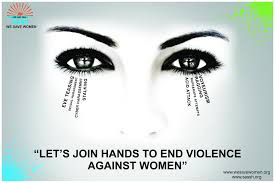
Let’s join hands and take action to eliminate physical harassment from
workplaces, communities, and
institutions. A strong and resilient
role of women's groups and organizations has emerged as a hope for women,
encouraging them to raise their voices against social injustice. Moreover,
their continuous efforts have urged the government to stop physical harassment in
public places and organizations and ensure the safety, and well-being of women.




.webp)


.webp)


